
Executive summary
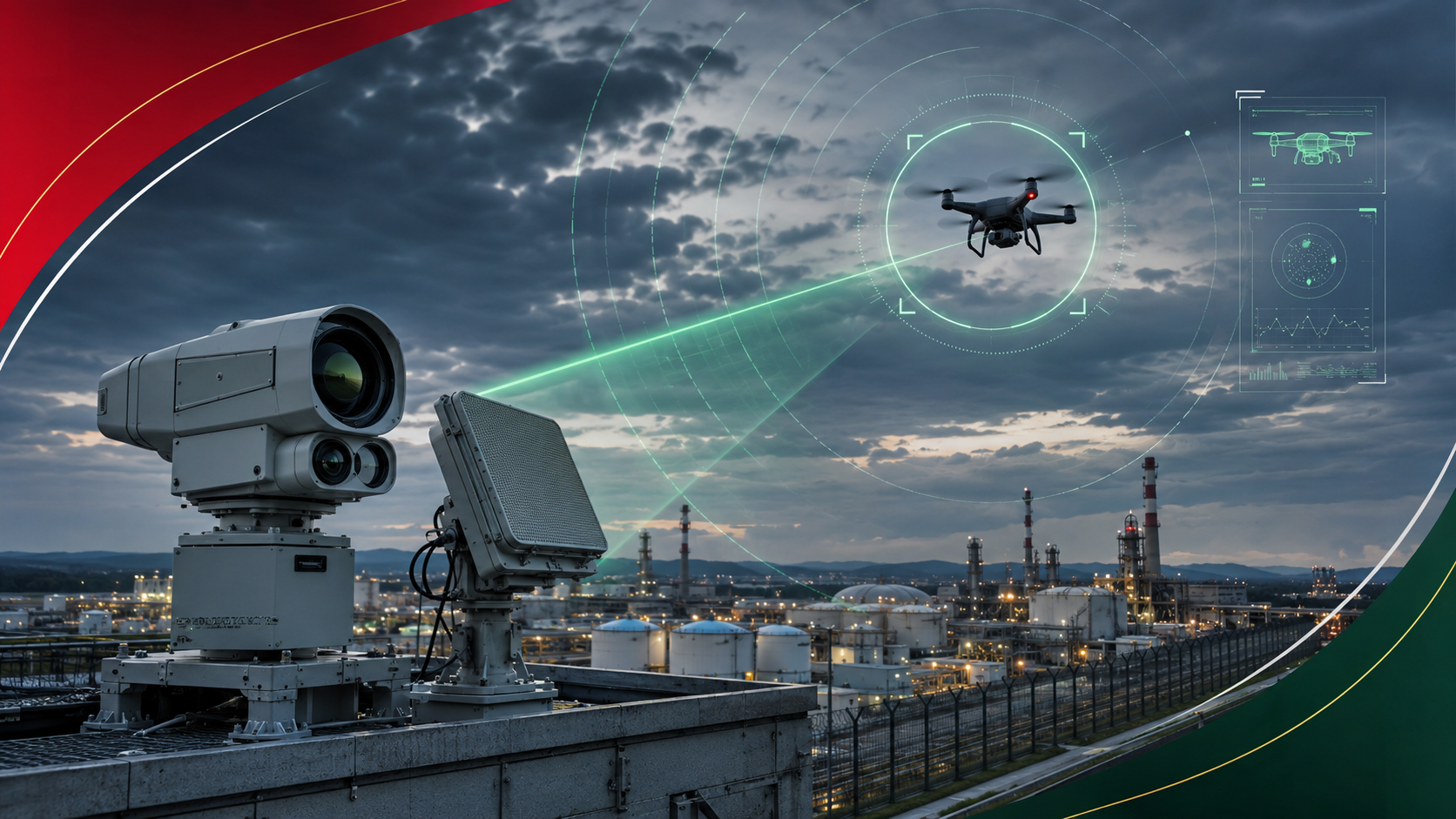
The strongest systems combine radar, RF, thermal, optical AI, and acoustic sensing into one operational picture.
Introduction
With the rapid growth of drone technology, industries, governments, and critical infrastructure are facing a new challenge: unauthorized and potentially dangerous aerial activity.
From surveillance risks to security breaches, drones have become both an opportunity and a threat.
This is where drone detection systems play a crucial role.
What a drone detection system does
Modern systems use a combination of sensors and AI to ensure accurate detection under real-world conditions.
Key points
- Detect drones in real time
- Identify drone type and behavior
- Track movement and trajectory
- Provide alerts for potential threats
Key detection technologies
Key points
- Radar systems for movement and position tracking
- RF sensors for communication analysis
- Thermal cameras for heat signatures at night
- Optical AI cameras for visual confirmation and classification
- Acoustic sensors for low-altitude sound pattern detection
Editorial note
Why this matters
Drone detection is no longer optional. Organizations need intelligent, scalable, and adaptive systems to stay ahead of evolving threats.
Key points
- Unauthorized surveillance
- Smuggling
- Industrial espionage
- Disruption of critical infrastructure
The future
Key points
- AI-driven threat prediction
- Autonomous monitoring systems
- Integration with smart city infrastructure
- Scalable nationwide deployment
Conclusion
Detection gives you awareness. Intelligent response gives you control.