
Executive summary
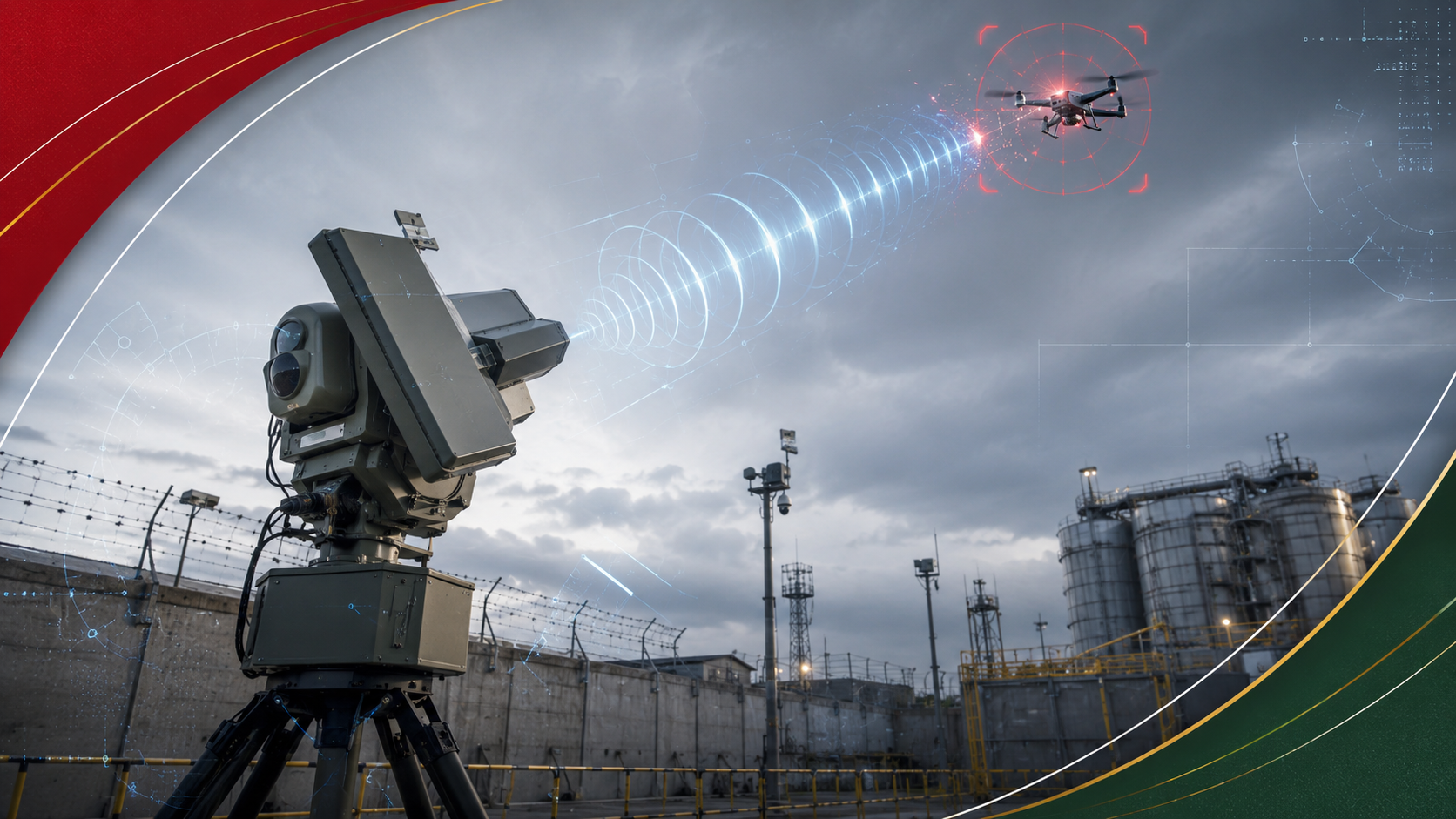
Neutralization systems must be defensive, regulated, and tightly integrated with detection and command workflows.
Introduction
As drone technology continues to evolve, organizations are no longer just concerned with detecting aerial threats - they must also be prepared to respond effectively and safely.
While detection provides awareness, neutralization systems enable controlled response, ensuring that potential threats are managed before they cause harm.
What a drone neutralization system does
Key points
- Respond to unauthorized or suspicious drones
- Prevent threats from escalating
- Enable safe and controlled airspace management
- Work in conjunction with detection platforms
Editorial note
High-level response sequence
Key points
- Detection - identify drone presence
- Classification - determine threat level
- Tracking - monitor movement and behavior
- Response decision - apply the appropriate mitigation action
Editorial note
Controlled neutralization approaches
These approaches are only appropriate in regulated environments and must align with government, aviation, and communications rules.
Key points
- Signal-based control measures
- Protocol-based management
- Tracking and containment strategies
- Alert and response integration
Why control matters
Neutralization is not just a technical task. It is a regulatory and safety responsibility.
Key points
- Safety risks
- Legal violations
- Damage to surrounding infrastructure
The future of response systems
Key points
- AI-assisted decision-making
- Integrated airspace management
- Smart city integration
- Fully automated monitoring ecosystems
Conclusion
Controlled response is what transforms detection into a complete security solution.